
Diabetes is a progressive disease that leads to disorders in different organs and systems. For prevention and control of progression, it is а must to control the risk factors.

SOURCE: https://www.icliniq.com/qa/diabetes/what-are-the-possible-measures-to-control-diabetes
Which are the key steps to control pre-diabetes and diabetes?
- Rational nutrition
Rational nutrition means regular, diverse, rich in vitamins and minerals nutrition from healthy sources that is consistent with the individual characteristics and needs of the body.
Which are the steps to rational eating?
Limit your salt intake.

SOURCE: https://food.ndtv.com/health/whats-your-daily-salt-intake-even-5-gram-can-put-you-at-risk-of-heart-attack-1658054
Increased salt intake is associated with increased blood pressure, which is extremely damaging for patients with diabetes. According to the World Health Organization (WHO), it is necessary to take at least 3.51g of potassium per day and less than 2.0g of sodium per day, I.e. less than 5g of salt per day. Less than 5g of salt per day is not an impossible mission – by quitting junk food, salt intake can be significantly reduced. Also, by reducing the amount of salt we use to flavor our dishes, the picture becomes even more approachable and real.
How to get the amount of potassium needed? From organic food sources, such as fruits and vegetables, rich in potassium – avocado, spinach, pumpkin, sweet potato, pomegranate, and others.
Eat foods rich in dietary fiber – vegetables and fruits, whole grains and legumes, nuts and seeds.

Fiber is known to have a number of benefits. It is a carbohydrate, but unlike all other carbs, it cannot be broken down into digestible sugar monomers. This way, this plant-based nutrient passes through the intestinal tract relatively intact. This is why fiber is important to digestion and weight management – it is a natural way to control appetite. Eating fiber can help you feel full with smaller amounts of food, leading to calorie intake reduction. In addition, fiber helps us maintain stable blood sugar level and optimal cholesterol level.
C) Choose carbohydrates with a low glycemic index.
What is a glycemic index (GI)? The glycemic index has a numerical value, which gives an idea of how quickly foods could raise the levels of blood sugar. Foods with low glycemic index increase blood sugar level gradually and at moderate levels, while those with high glycemic index – blood sugar level rise quickly to high levels.
The glycemic index numerical value of foods is based on the GI numerical value of glucose, as it is a universal energy source for all organs and systems in the body. Glucose has GI = 100. Foods with GI <55 are low-glycemic, while foods with gi> 70 C are high-glycemic.
How to choose foods with a low glycemic index?Focus on fruits and vegetables
in natural (raw) form. High-GI foods are carbohydrates produced as a result of agricultural development – potatoes, rice, starch products, processed cereal products containing white flour and refined sugar. High-GI foods include watermelon, pineapple, papaya, date, dried fruits, and so on. They should be reduced in the diet of patients with diabetes.
Eat foods rich in antioxidants.

The role of antioxidants is to eliminate the harmful free radicals in the body. Natural sources of such foods are:
– foods rich in vitamin C – kiwi, oranges, rosehip, etc.
– foods rich in anthocyanins – blueberries, raspberries, blackberries, etc.
– foods rich in glutathione – asparagus, nuts, etc.
– Vitamin A-bottled foods – peppers, parsley, dill, etc.
– foods rich in vitamin E – almonds, hazelnuts, etc.
– foods rich in other antioxidants.
E) Increase minerals and vitamins They are vital components that are involved in countless chemical processes and stages of metabolism. The importance of their presence in optimal quantity in your diet is undeniable.
- Physical activity

SOURCE: https://www.who.int/ncds/prevention/physical-activity/en/
Diabetes is associated with a decreased amount or lack of insulin or with decreased sensitivity/lack of sensitivity of cells to insulin. This leads to an increase in
blood sugar levels, which has a detrimental effect on the body.
What does physical activity have in common with blood sugar levels? Physical activity is related to muscle work. And what does muscle work require? Energy source. And who else would be the source of energy besides glucose? By using glucose as a food source, muscles reduce the amount of glucose present in the blood, thus normalizing blood sugar levels.
Physical activity must be tailored to the individual characteristics of the body.
What to do if you are a beginner in sports? Everyday walks are a great start. You should gradually increase the time and frequency of walks. Choose stairs instead of elevators and escalators, walk instead of driving, ride a bicycle, swim, and so on, and so on, so physical activity is diverse,non-stressing and exciting for you. Improve your mood, burn calories, reduce blood sugar level and take care of your health by combining pleasure with useful habits.
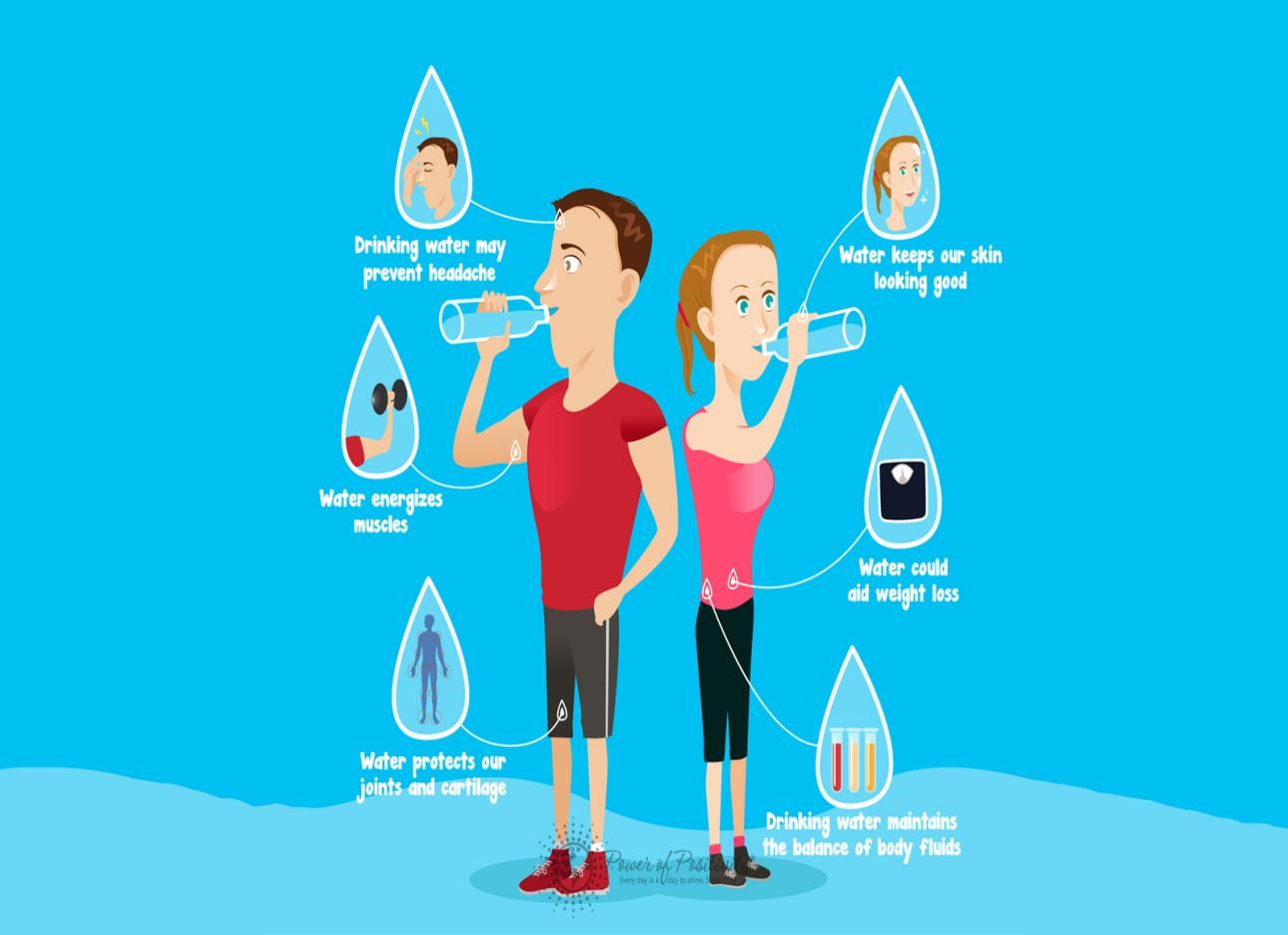
- Drink plenty of WATER!
SOURCE: https://www.powerofpositivity.com/things-happen-body-drink-water-every-day-30-days/
Water is a major component of all metabolic processes in the body. Two-thirds of our body consists of water. Dehydration could lead to digestive disorders, headaches, constant hunger, and so on. According to scientists, for each calorie we eat, we should drink 1 ml of water. If your daily calorie intake is 2200 calories, you should drink 2.2l of water. As diabetes is a disease associated with a constant feeling of thirst and dehydration due to increased urination, water intake takes a key role in controlling your health condition. Replace fruit juice, sweetened tea, coffee with water – this way you can keep blood sugar levels stable.
- Healthy sleep
Sleep is essential for mental and physical health. The number of hours we sleep is also the number of hours our body rests physically. While sleeping, your brain processes information by removing it or retaining it selectively. Quality sleep maintains memory, immunity, and overall health.
Insomnia is associated with a large number of metabolic and hormonal disorders. An excessive amount of sleep, however, is also harmful – it makes us feel tired after awakening, it can lead to frequent headaches, even to a state of depression.
Therefore, the healthiest sleep lasts from 6 to 8 hours. The ideal time frame to rest is from 10 pm to 6 am – this is the time when our bodies produce more melatonin (sleep hormone).
Quit smoking (if you are a smoker)!

SOURCE: https://rollingstrong.com/how-do-you-know-when-to-quit-smoking/
Cigarettes contain over 4000 substances, at least 250 of which are damaging our organisms and about 50 of these substances are carcinogenic. Regular smoking leads to a number of disorders and it can cause severe pathological conditions affecting different organs and systems.
Cardiovascular disorders: Smoking thickens and narrows blood vessels, and it can also cause thrombus formation. It is one of the key factors for ischemic heart disease that can cause myocardial infarction!
Pulmonary disorders: Smoking is the number one cause of 13. Smokers have a 25 times higher risk of COPD13and the risk of death in COPD smokers is 12-13 times higher.
There are many other disorders that can be caused by smoking, such as reproductive problems, oncological diseases affecting different organs, more frequent infections, etc. Patients with pre-diabetes and diabetes have a more unstable health condition, which greatly increases the risk of these and other disorders caused by smoking.
- Quit alcohol consumption

SOURCE: https://www.addiction.org.uk/10-things-stop-quit-alcohol-forever/
Drinking alcohol can lead to dangerously lower or higher blood sugar levels in patients with diabetes. Small to moderate amounts of alcohol can cause hyperglycemia – a condition with very high blood sugar level – while larger amounts can led to hypoglycemia – a sharp decrease in blood sugar level.
You can drink alcohol from time to time and in moderate amounts when your blood sugar is strictly controlled. Otherwise, alcohol can cause serious complications and should be avoided.
- 7. Medication therapy
Treatment and management of diabetes with pharmaceuticals is an effective and almost obligatory today way to control this disease and to prevent progressive body damage. Of course, pharmaceuticals should not be the only means of control. Medication therapy must ALWAYS be combined with healthy lifestyle changes to achieve the goals of the prescribed therapy.
- Regular monitoring of blood sugar levels
SOURCE: https://www.ontrackdiabetes.com/blood-glucose/blood-glucose-monitoring-whats-right-number
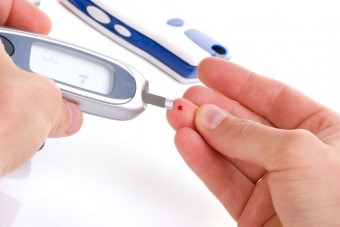
Blood glucose monitoring is performed with a small portable electronic device called a glucometer. Blood glucose monitoring should become a mandatory element in the daily lives of diabetics since it allows to monitor the effectiveness of the prescribed drug therapy, the impact of lifestyle changes and any other factors, which affect blood sugar levels. This way, you will find out which factors would improve or harm your health, which medication therapy is the best for you, and so on.
Sources:
- livescience.com
- sleepfoundation.org
- who.int
- https://www.icliniq.com/qa/diabetes/what-are-the-possible-measures-to-control-diabetes
- https://food.ndtv.com/health/whats-your-daily-salt-intake-even-5-gram-can-put-you-at-risk-of-heart-attack-1658054
- https://www.naturalproductsinsider.com/foods/what-fdas-new-definition-dietary-fiber-means-food-industry
- https://geneticliteracyproject.org/2015/10/20/evidence-antioxidants-can-dangerous-likely-raise-cancer-risk/
- https://www.who.int/ncds/prevention/physical-activity/en/
- https://www.powerofpositivity.com/things-happen-body-drink-water-every-day-30-days/
- https://rollingstrong.com/how-do-you-know-when-to-quit-smoking/
- https://www.addiction.org.uk/10-things-stop-quit-alcohol-forever/
- https://www.ontrackdiabetes.com/blood-glucose/blood-glucose-monitoring-whats-right-number
- https://www.mayoclinic.org/diseases-conditions/copd/symptoms-causes/syc-20353679